
How do we turn vocabulary from memorized words into active use?
Vocabulary is the foundation of language competence, but knowing a word does not mean being able to use it. True proficiency goes beyond understanding meaning and roots to using words accurately and naturally in different contexts. Semantic knowledge is only the first step; real learning begins with actual use.
In vocabulary classes, students often recognize a word in isolation but hesitate or make mistakes when using it in a sentence. This highlights the gap between knowing a word and applying it correctly without relying on translation or overthinking.
At early stages, “production” does not mean free speaking, but guided sentence-level use. This stage serves as a bridge between theoretical knowledge and practical application. Limiting output to one clear sentence helps learners focus on the word itself—its form, position, and meaning—before moving toward fluency.
This guided use also allows teachers to identify weaknesses early and provide immediate corrective feedback. Through comparison, repetition, and contextual examples, learners gradually gain confidence and accuracy in using new vocabulary.
From experience, mastery does not come before use—it comes through use. Early guided practice moves vocabulary from memorization to activation and transforms words into tools of real communication.
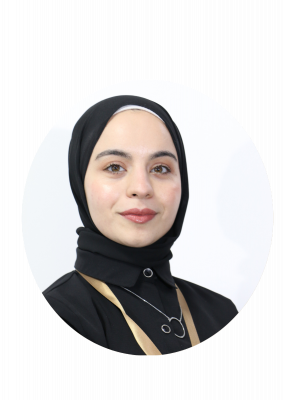
Tasneem Ashour
Arabic language instructor for non-native speakers
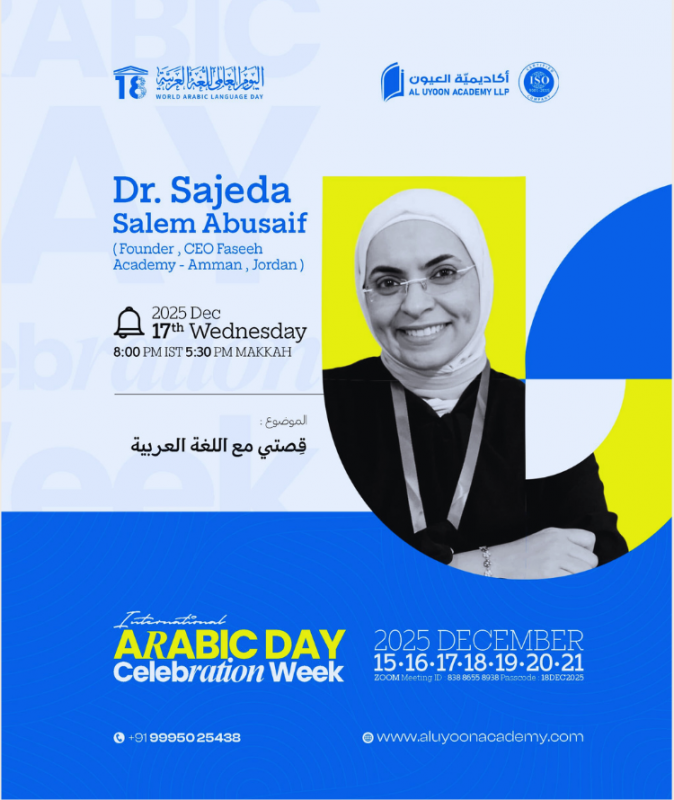
A Journey with Arabic: An Educational Lecture at Al-Ayon Indian Academy
on the occasion of World Arabic Language Day, Dr. Sajeda Salem was a guest at the celebrations organized by Al-Ayon Indian Academy, where she delivered a lecture titled “My Journey with the Arabic Language.”
She reflected on key stages of her experience with Arabic and how these can guide teachers in their educational mission. Dr. Sajeda also highlighted Arabic as a logical and well-structured language that helps both teachers and learners overcome teaching and learning challenges when presented through modern, practical methods.
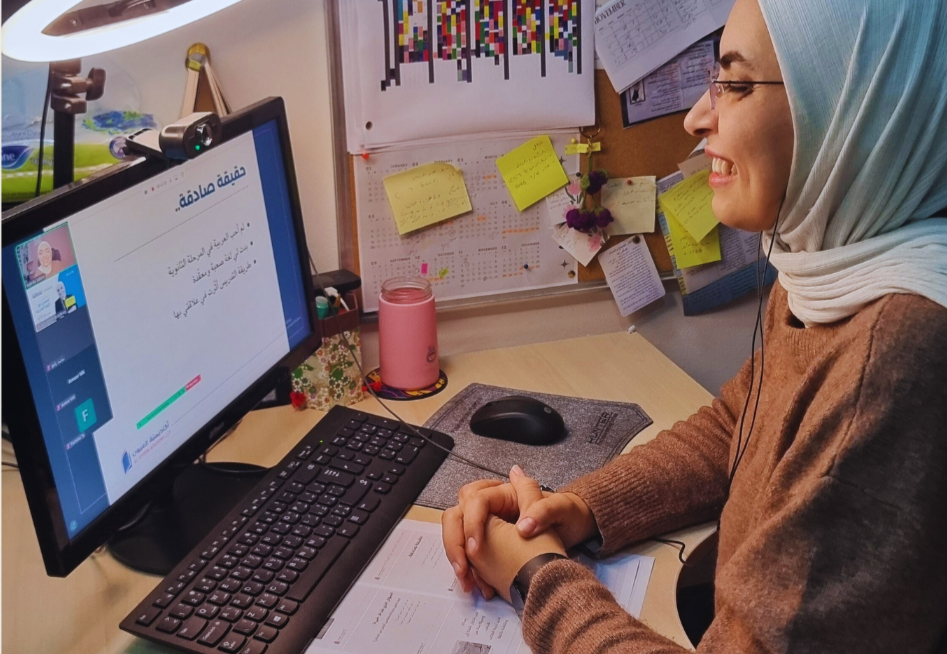
Academic Session at Faseeh on Linguistics and Assessment Design
As part of promoting research culture and professional development at Faseeh, the team discussed two selected academic studies within its ongoing learning activities.
Ms. Bushra chose a study on “Linguistics in Language Learning and Research,” while Dr. Asmaa selected “Assessment Design in Education: Principles, Types, and Challenges.” The discussion provided a platform to exchange ideas on applying linguistics and educational assessment to improve the teaching of Arabic to non-native speakers and strengthen collaborative learning within the team.
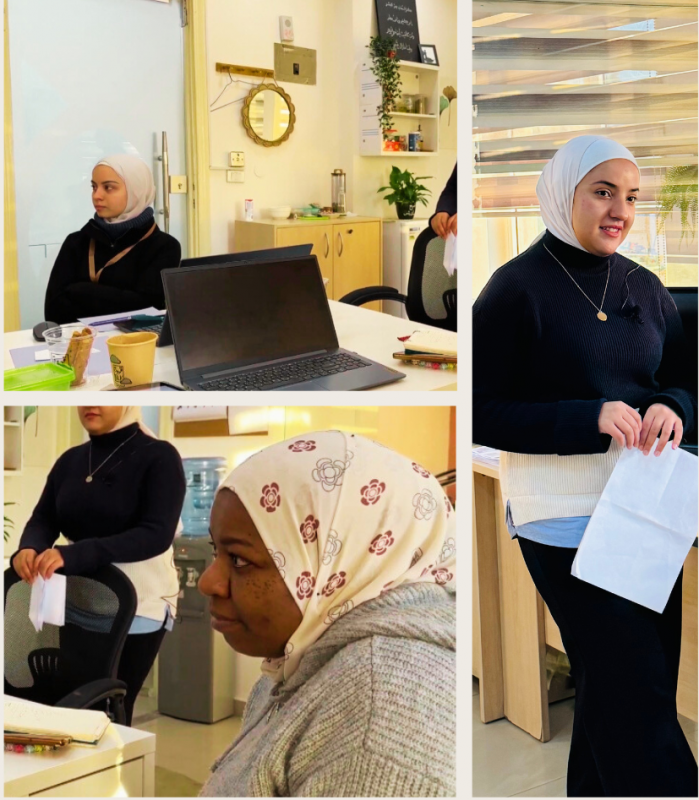
Immersive Program Students Visit a Jordanian School
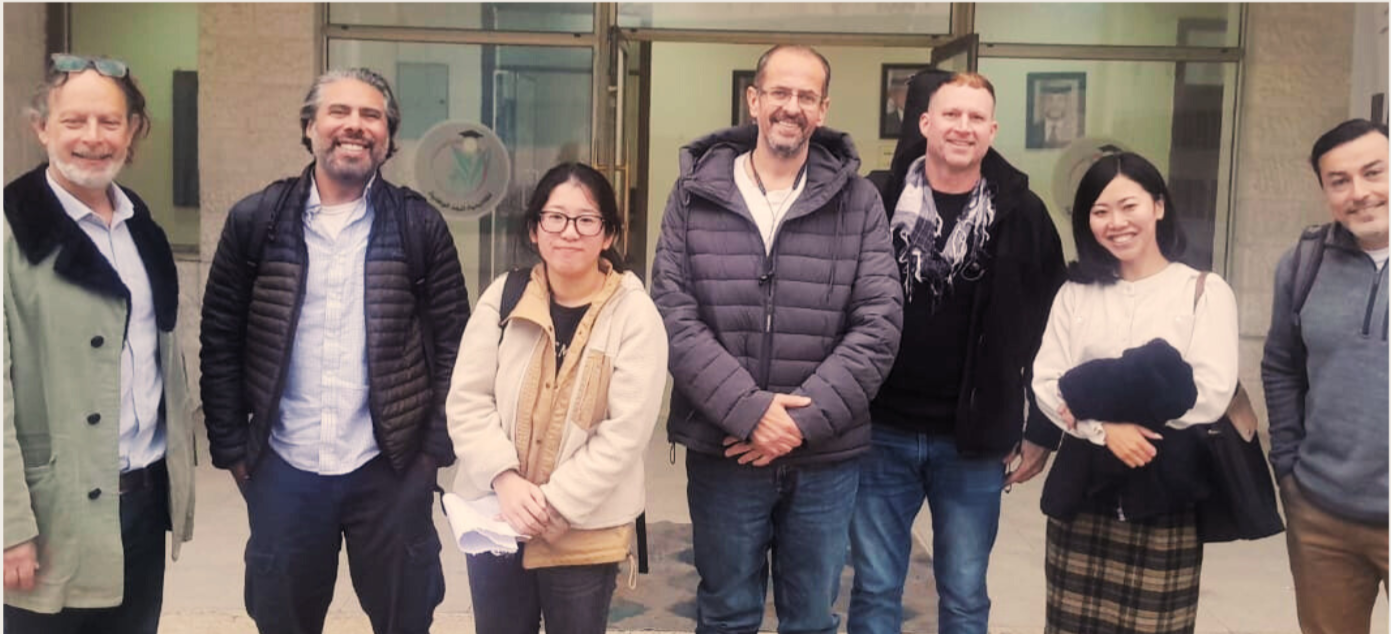
As part of the Immersive Cultural Program, students visited a middle and secondary school, where they joined Arabic classes and experienced Jordanian school culture firsthand. They also presented a special activity reflecting their own culture, promoting cultural exchange and communication in an interactive learning environment.