

Faseeh Makes the Moment: Special Edition for the Mohammed bin Rashid Award for Education
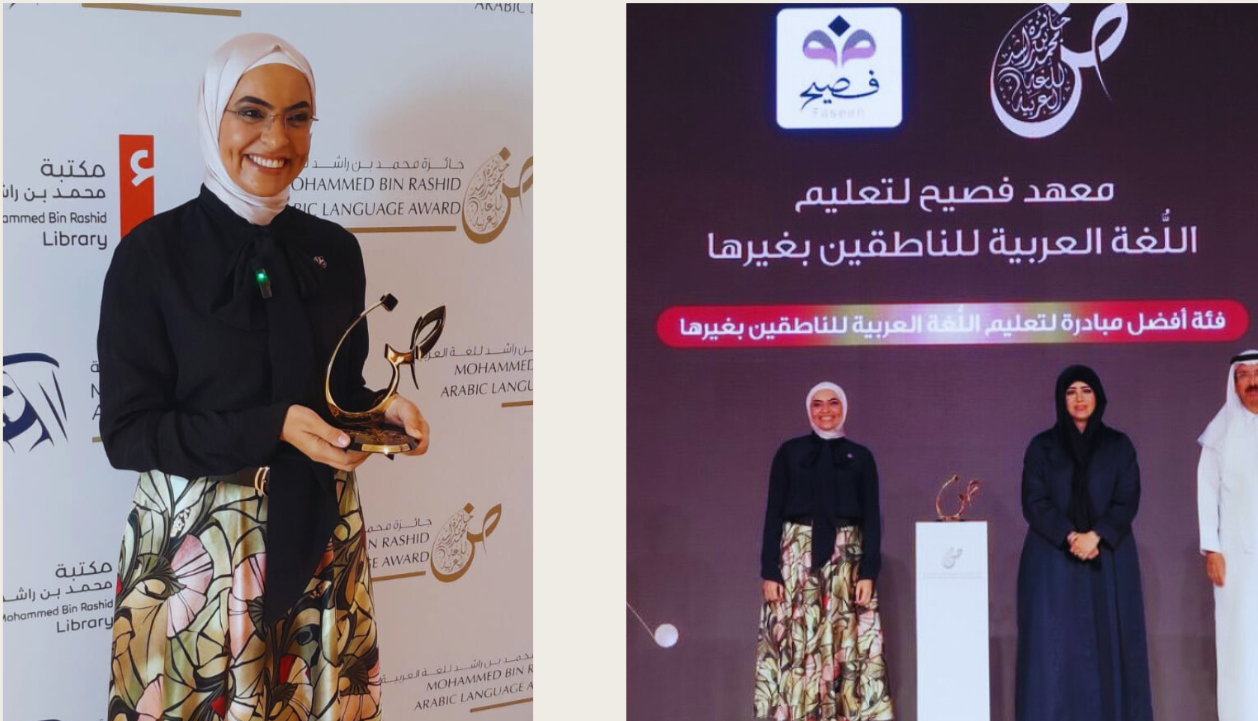
n a remarkable moment that reflects years of dedication and creativity, the Faseeh team celebrated winning the 2025 Mohammed bin Rashid Award for Education—one of the most prestigious honors in the Arab world. The award crowns a long journey of research, innovation, and continuous development in teaching Arabic to non-native speakers, and stands as a tribute to the efforts of Faseeh’s teachers, students, and supporters.
The ceremony brought together distinguished educators in an inspiring atmosphere filled with pride. Dr. Sajeda Abu Saif emphasized that this achievement brings greater responsibility to continue innovating and strengthening the global presence of the Arabic language through a meaningful and transformative learning experience that reflects Faseeh’s spirit of excellence and teamwork.
An Appreciation Trip for Faseeh’s Teachers to Dubai
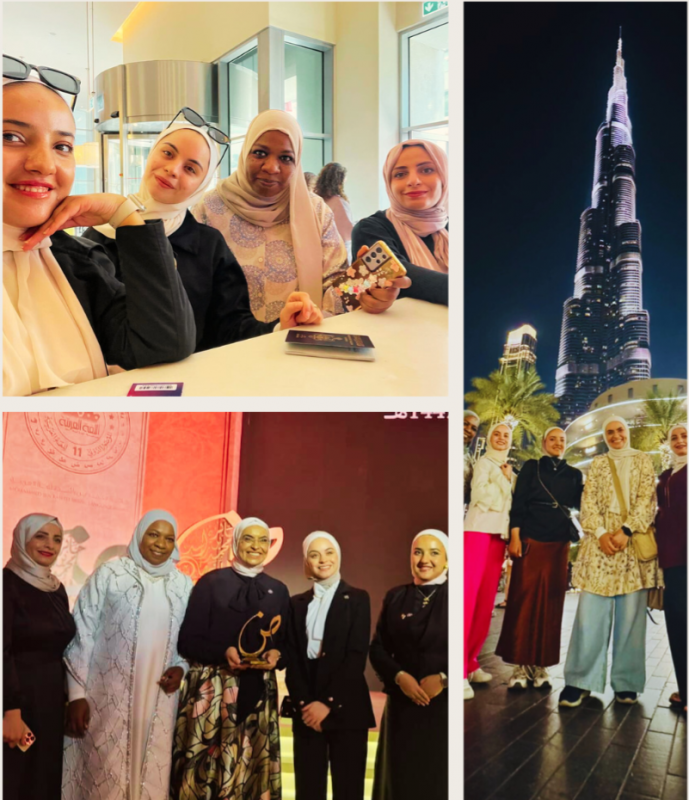
To honor its academic team, Faseeh invited its teachers to attend the Mohammed bin Rashid Award ceremony in Dubai. The trip was a gesture of appreciation that celebrated their hard work, and the team enjoyed Dubai’s vibrant atmosphere, adding a sense of joy and renewal to the experience.
Outstanding Media Coverage Following the Award Win
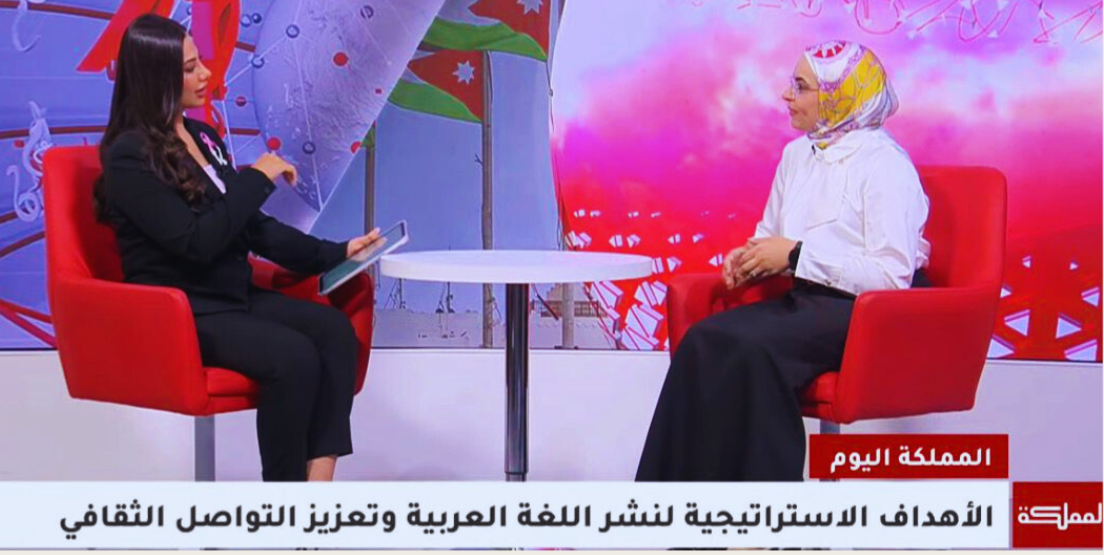
After Faseeh won the Mohammed bin Rashid Award for Education, the institute received notable attention from Arab media. Dr. Sajeda Salem appeared in several TV and press interviews to discuss the award and Faseeh’s efforts in advancing Arabic education for non-native speakers. She highlighted the institute’s approach of integrating language and culture and the role of innovation in its curriculum. The coverage reflected strong media appreciation and helped introduce Faseeh’s mission to a wider audience.
How to Think in Arabic Without Translating First
Translation helps us understand new knowledge, but it can become an obstacle when trying to speak Arabic fluently. Translating in your head slows you down and makes your speech less natural. Here are practical steps to help you think directly in Arabic:
1. Reduce dependence on your native language
You don’t need to forget it—just avoid relying on it every time you learn something new. Let your mind interact with Arabic directly.
2. Immerse yourself in an Arabic environment
If you can’t live in an Arabic-speaking community, create your own environment: switch your phone to Arabic, watch Arabic content, and start short daily conversations with others.
3. Listen extensively
Begin with simple sources, then move to natural, varied content. Try the shadowing technique by repeating short segments at the same time as the original speaker.
4. Avoid translating new vocabulary
Use an Arabic–Arabic dictionary or connect new words to images, emotions, or real situations instead of translating them.
5. Practice thinking in Arabic
Plan your day, reflect on events, or express your feelings in Arabic—even out loud. Don’t worry about mistakes; consistency matters more than perfection.
6. Memorize useful phrases
Learn short proverbs, quotations, or lines from shows you enjoy. Ready-made expressions help build natural fluency.
Consistency—even a few minutes a day—can significantly improve your confidence and fluency.

Enas Hassan Al-Rayes
Teacher & Certified ACTFL Examiner.